Introduction
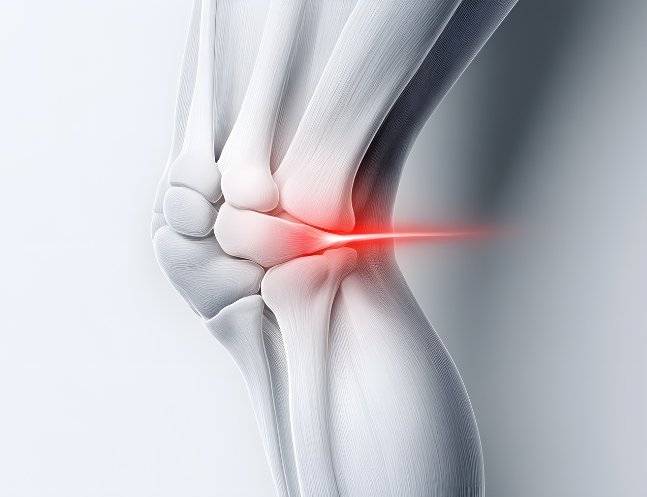
Joint pain is one of the most common health problems affecting people of all ages. Whether it’s the knees, hips, shoulders, or spine, joint pain can severely impact mobility and overall quality of life.
At Sanwariya Paras Multi-Speciality Hospital, our Orthopaedics and Joint Care Department provides expert diagnosis, advanced treatments, and rehabilitation services to help patients live pain-free and active lives.
This article explains the major causes of joint pain, treatment options available, and simple steps to prevent joint problems in the future.
What Is Joint Pain?
A joint is the point where two or more bones meet, supported by cartilage, muscles, tendons, and ligaments.
Joint pain (also known as arthralgia) can occur due to inflammation, injury, wear and tear, or certain diseases.
It can affect one or multiple joints and vary from mild discomfort to chronic, disabling pain.
Commonly affected joints include:
- Knees
- Hips
- Shoulders
- Elbows
- Spine
- Ankles and wrists
Common Causes of Joint Pain
1. Osteoarthritis
Osteoarthritis is the most common form of arthritis, caused by gradual wear and tear of joint cartilage over time. It leads to pain, stiffness, and reduced flexibility, particularly in weight-bearing joints such as the knees and hips.
2. Rheumatoid Arthritis
This is an autoimmune condition where the immune system attacks healthy joint tissue, causing inflammation and pain. It can affect multiple joints symmetrically, such as both wrists or knees.
3. Injury or Trauma
Sports injuries, falls, or accidents can damage bones, ligaments, or cartilage, leading to joint pain. Common examples include ligament tears, meniscus injuries, or fractures.
4. Gout
Gout is caused by the accumulation of uric acid crystals in the joints. It often leads to sudden, severe pain and swelling, usually in the big toe, ankle, or knee.
5. Bursitis and Tendinitis
Repetitive motion or overuse can cause inflammation of the bursae (fluid-filled sacs) or tendons, leading to pain in the shoulders, elbows, or knees.
6. Infection (Septic Arthritis)
Bacterial or viral infections in a joint can cause severe pain, redness, and fever. This is a medical emergency that needs immediate treatment.
7. Postural Issues or Muscle Imbalance
Poor posture, prolonged sitting, and weak muscles can strain joints over time, leading to chronic discomfort.
Symptoms That Should Not Be Ignored
You should consult an orthopaedic specialist if you experience:
- Continuous or worsening joint pain
- Stiffness and swelling that lasts for more than a week
- Difficulty walking or performing daily activities
- Redness, warmth, or deformity in a joint
- Pain after injury that does not improve with rest
Ignoring these symptoms can lead to permanent damage or the need for surgery later.
Diagnosis of Joint Pain
At Sanwariya Paras Hospital, diagnosis begins with a detailed medical history, physical examination, and imaging studies to identify the exact cause.
Common diagnostic tests include:
- X-ray: To detect fractures, bone spurs, or arthritis.
- MRI or CT Scan: For soft tissue injuries such as cartilage or ligament tears.
- Blood Tests: To check for inflammation, rheumatoid arthritis, or gout.
- Joint Aspiration: Extracting and testing joint fluid to detect infection or uric acid crystals.
Once the cause is identified, our orthopaedic specialists create a personalized treatment plan tailored to each patient’s needs.
Treatment Options for Joint Pain
Treatment depends on the underlying cause and severity of pain. At Sanwariya Paras Multi-Speciality Hospital, we offer both non-surgical and surgical approaches for complete care.
1. Medication and Pain Management
- Nonsteroidal anti-inflammatory drugs (NSAIDs) to reduce pain and swelling.
- Corticosteroid injections for severe inflammation.
- Disease-modifying drugs (DMARDs) for rheumatoid arthritis.
- Supplements like calcium and vitamin D for bone strength.
All medications are prescribed carefully to ensure safety and effectiveness.
2. Physiotherapy and Rehabilitation
Physiotherapy plays a major role in relieving pain, improving flexibility, and strengthening supporting muscles.
Therapies include:
- Heat or cold therapy
- Stretching and strengthening exercises
- Posture and balance training
- Manual therapy and guided movement sessions
At Sanwariya Paras Hospital, our physiotherapists work closely with orthopaedic doctors to provide structured rehabilitation programs for each patient.
3. Non-Surgical Procedures
- Hyaluronic Acid Injections: To lubricate joints and ease movement.
- Platelet-Rich Plasma (PRP) Therapy: Uses the patient’s own blood components to promote healing.
- Arthrocentesis: Fluid removal to relieve pressure and improve motion.
These methods help reduce pain and delay or prevent the need for surgery.
4. Surgical Treatments
When conservative methods do not relieve pain, surgery may be necessary.
Common orthopaedic surgeries include:
- Arthroscopy: A minimally invasive “keyhole” surgery to repair damaged cartilage or ligaments.
- Joint Replacement Surgery: Replacing the damaged joint with an artificial implant, commonly done for knees, hips, or shoulders.
- Fracture Fixation: Using metal plates, rods, or screws to align broken bones for proper healing.
At Sanwariya Paras Hospital, surgeries are performed in modern modular operation theatres with the latest technology to ensure precision and safety.
Joint Replacement: A Long-Term Solution
Joint replacement surgery, especially for knees and hips, can dramatically improve a patient’s quality of life.
Benefits include:
- Permanent pain relief
- Improved mobility and joint function
- Faster rehabilitation
- Long-lasting results (15–20 years or more)
Our experienced surgeons use advanced implants and minimally invasive methods for quicker recovery and reduced post-operative discomfort.
Rehabilitation After Surgery
Post-surgery rehabilitation is essential for a successful recovery.
Our physiotherapy team provides personalized rehabilitation plans focusing on:
- Regaining joint movement
- Strengthening muscles
- Walking and balance training
- Gradual return to normal activity
- Preventing stiffness or re-injury
Most patients can resume light activities within 6 to 8 weeks after surgery, depending on their condition and compliance with therapy.
Prevention: How to Protect Your Joints
Prevention is the best form of treatment when it comes to bone and joint health.
1. Maintain a Healthy Weight
Extra body weight adds stress to weight-bearing joints such as the knees and hips, increasing wear and tear. Maintain a healthy BMI through diet and exercise.
2. Stay Physically Active
Regular exercise improves joint flexibility and strengthens muscles. Choose low-impact activities like walking, swimming, or cycling.
3. Follow a Balanced Diet
Eat foods rich in calcium, vitamin D, and omega-3 fatty acids. Include dairy products, leafy vegetables, and nuts in your diet.
4. Practice Good Posture
Avoid sitting or standing in one position for long periods. Keep your spine straight and shoulders relaxed.
5. Avoid Smoking and Alcohol
Both reduce bone density and delay healing after injury or surgery.
6. Take Breaks During Work
For those with desk jobs, stretch every hour to avoid stiffness and back strain.
7. Treat Minor Injuries Promptly
Ignoring small sprains or joint pain can lead to chronic damage later. Always seek medical advice early.
When to Visit an Orthopaedic Specialist
Visit an orthopaedic doctor immediately if you experience:
- Sudden or severe joint pain
- Inability to bear weight or move a limb
- Joint deformity after injury
- Pain lasting longer than two weeks
- Swelling or redness that worsens over time
Prompt evaluation can prevent further damage and restore normal function.
Why Choose Sanwariya Paras Hospital for Orthopaedic Care
Sanwariya Paras Multi-Speciality Hospital is one of the leading centres for orthopaedic and trauma care in Chittorgarh.
Our key features include:
- Experienced orthopaedic and joint replacement surgeons
- 24×7 trauma and emergency care
- Advanced digital X-ray, MRI, and CT scan facilities
- Modular operation theatres for safe surgeries
- Comprehensive physiotherapy and rehabilitation unit
- Affordable and cashless treatment under Ayushman Bharat and RGHS
Our goal is to provide world-class healthcare marketing and orthopaedic services under one roof with a focus on comfort, recovery, and long-term wellness.
Conclusion
Joint pain may begin as a small discomfort but can develop into a serious problem if ignored. Whether caused by age, injury, or disease, early diagnosis and timely treatment can prevent disability and improve quality of life.
At Sanwariya Paras Multi-Speciality Hospital, we offer complete orthopaedic care — from diagnosis and therapy to advanced surgery and rehabilitation. Our mission is to help every patient move freely, live confidently, and enjoy a pain-free life.
For consultation or emergency orthopaedic care, visit our hospital or contact us today.